
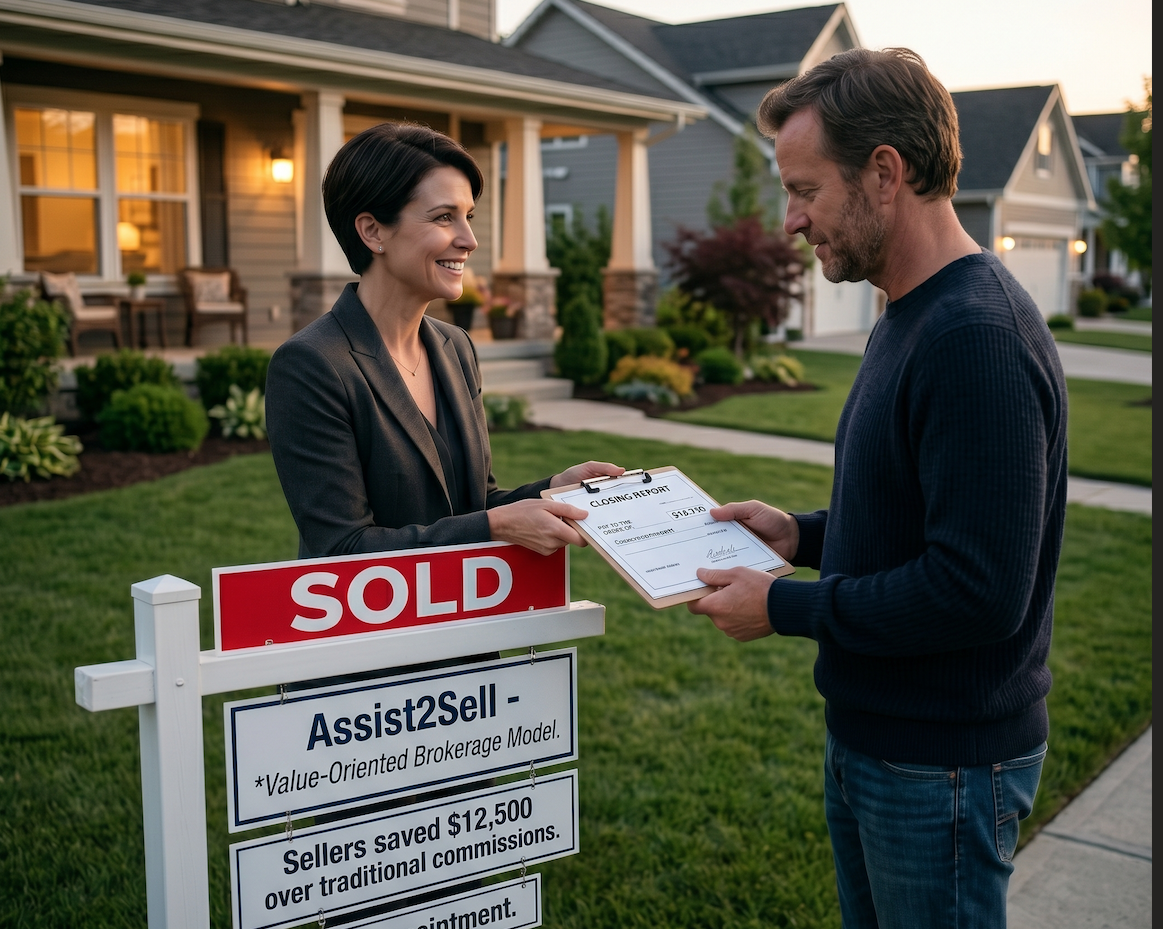
A few years ago, many listing conversations started with speed: How quickly can we go live, how many offers might come in, and how far over asking could the market carry us?
In 2026, more of those conversations are starting with strategy.

Sellers are still motivated, but they are also more cautious. Buyers have more choices in many markets, mortgage-rate volatility remains part of the decision-making process, and homes are taking longer to sell than they did during the frenzy years. In that environment, the real estate professional who can talk clearly about pricing, value, marketing, and fees may have a stronger advantage than the one who simply promises exposure.
The latest housing data points to a market that is not frozen, but more selective. Realtor.com’s April 2026 Monthly Housing Report found that active listings rose 4.6% year over year to just over 1 million homes, while the national median list price fell 1.4% from a year earlier to $425,000. The report also noted that new listings reached their highest April level since 2022, and that list prices had declined year over year for six consecutive months.
NAR’s April 2026 existing-home sales snapshot told a similar story of gradual movement rather than runaway momentum. Existing-home sales increased 0.2% in April to a seasonally adjusted annual rate of 4.02 million, with a median sales price of $417,800 and 4.4 months of inventory. NAR Chief Economist Lawrence Yun noted that inventory remains tight, but also that days on market are lengthening, suggesting consumers are taking more time before making decisions.
For experienced agents, that combination should feel familiar: more inventory, more careful buyers, more realistic sellers, and more pressure to demonstrate value.
The fee conversation is no longer in the background
The other major shift is not just about listings or rates. It is about expectations.
Since the NAR settlement-related rule changes took effect in 2024, consumers have become more aware that real estate compensation is negotiable and should be discussed clearly. A May 2025 Redfin analysis found that buyer’s agent commissions had not changed dramatically in the early months after the new rules, with the average buyer’s agent commission at 2.40% in the first quarter of 2025. But the same report found meaningful consumer behavior beneath the surface: 37.4% of recent sellers said they negotiated or tried to negotiate the commission paid to their agent, and 27.2% of recent buyers said they did the same.
That does not mean every consumer is shopping only for the lowest fee. Real estate remains relationship-driven. But more clients are prepared to ask a direct question: “What am I getting for what I’m paying?”
For agents who want to grow their business, that question is a signal.
The next stage of real estate may reward professionals who can combine full-service guidance with a more transparent, value-centered fees. Sellers who are adjusting expectations upfront, buyers who are comparing options carefully, and households still dealing with affordability pressure all create demand for brokerage models that feel practical, modern, and consumer-aware.
Why this matters for agents considering Different models
Many successful agents eventually reach the same crossroads. They have local relationships, transaction experience, and market knowledge, but they are still operating inside someone else’s platform. Starting an independent brokerage can be appealing, yet it also means building systems, marketing, recruiting tools, operational standards, and brand credibility from scratch.
That is one reason franchising continues to attract entrepreneurs across industries.
For a real estate professional, the franchise question is not simply, “Do I want to own a brokerage?” It is, “What kind of brokerage would make sense for the market consumers are moving toward?”
The opening for a value-based real estate model
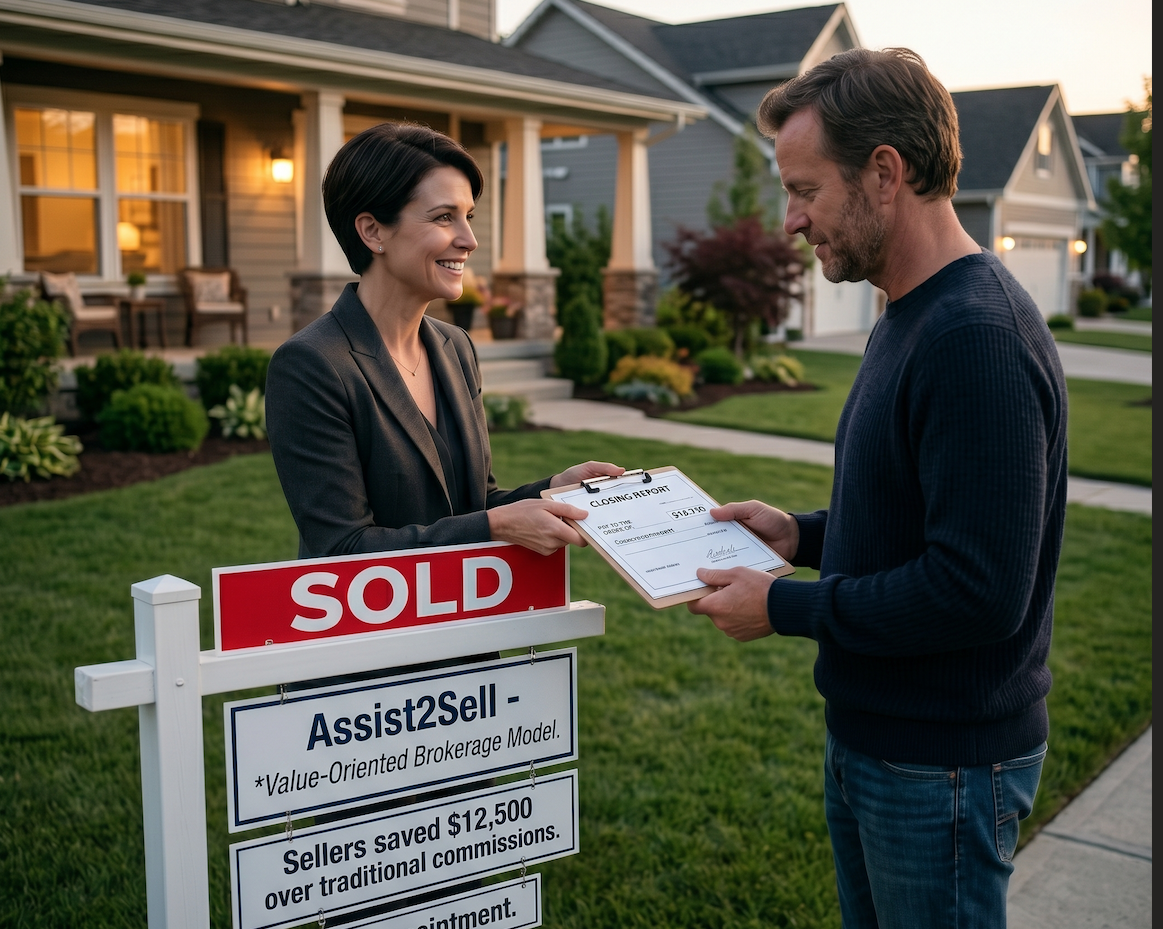
A more buyer-friendly market changes the seller psychology. When homes were selling quickly with multiple offers, some homeowners were less sensitive to the cost of selling. When days on market lengthen and list prices soften, the math becomes more visible.
A seller who is already being asked to price realistically may also be more receptive to a conversation about efficiency. A homeowner comparing net proceeds may want a full-service experience, but with a fee structure that feels aligned with today’s market.
This is where Assist2Sell enters the story naturally.
Assist2Sell was built around a value-oriented real estate model designed to appeal to consumers who want professional service and a more cost-conscious way to sell. For licensed agents and brokers evaluating ownership, that positioning matters. It gives an entrepreneur a consumer-facing point of difference when more sellers are thinking carefully about pricing, commissions, and the total cost of a move.
The model also sits at the intersection of several important trends: more transparent fee conversations, ongoing affordability pressure, increasing seller realism, and renewed interest in franchise ownership as an alternative to starting from scratch. For an agent who has built trust locally but wants a more distinctive business platform, that combination can be compelling.
Differentiation may become more important than size
The real estate industry is full of capable professionals. In many markets, consumers can choose among dozens of agents with similar online profiles, similar listing presentations, and similar claims about service. That makes differentiation harder — and more valuable.
A franchise model does not remove the need for local expertise. In fact, local credibility remains essential. But the right model can help an owner tell a clearer story: who the business serves, why it is different, and how it responds to what consumers are actually asking for now.
For Assist2Sell franchise prospects, the opportunity is not about chasing a temporary market headline. It is about recognizing a longer-term shift in consumer behavior. The public has more information, more fee awareness, and more willingness to compare service models than it did a decade ago. At the same time, agents are looking for ways to own more of their future without having to invent every system themselves.
That does not make franchise ownership effortless, and it does not eliminate normal business risk. It does suggest that the timing is worth studying.
Markets evolve through pressure. Higher rates pressured affordability. More inventory pressured sellers to be realistic. Commission transparency pressured the industry to explain value more clearly. In the middle of that pressure, entrepreneurial agents have a choice: keep adapting one transaction at a time, or build a business model designed for the conversations consumers are already having.
For the right real estate professional, the next opportunity may not be found in waiting for the old market to return. It may be found in owning a business that is better aligned with the market taking shape now.