
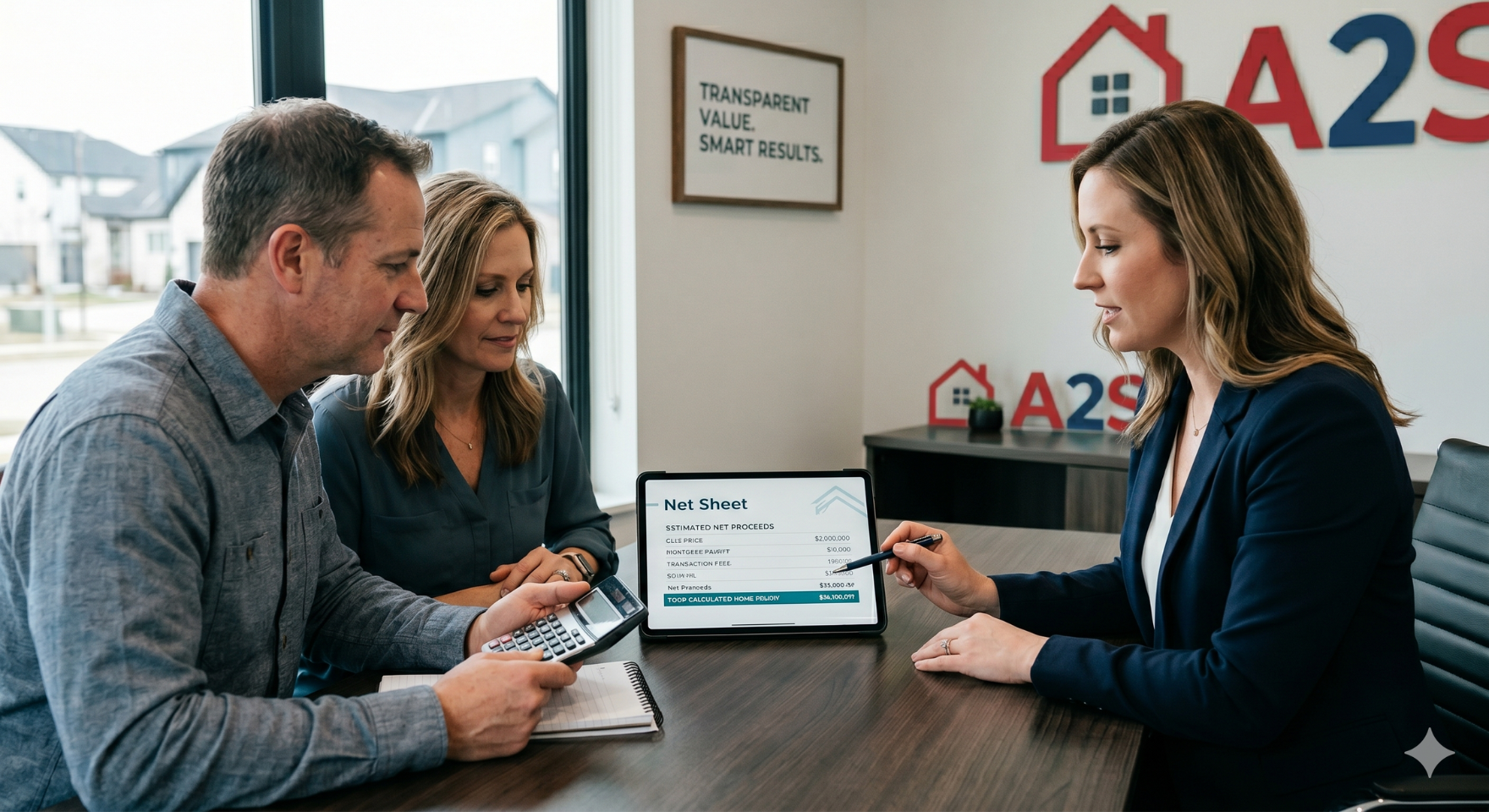
A real estate agent can now produce a listing description in seconds, analyze a neighborhood faster than ever, automate follow-up, create social content, draft email campaigns, and answer basic client questions around the clock.
That sounds like a technology story. For agents thinking about ownership, it is really a business-model story.
When tools become easier to access, the question changes. The advantage is no longer simply who has software. More agents will have software. More brokerages will talk about automation. More consumers will expect faster communication, sharper data, and a smoother experience as a basic part of professional service.
The harder question is what the company stands for after the technology is in place.
That question is arriving at the same time the real estate market is becoming more transparent and more value-conscious. Realtor.com’s June 2026 national inventory data showed about 1.1 million active listings, a median listing price of $430,000, a median 53 days on market, and nearly 389,000 active listings with a price reduction. Freddie Mac’s mortgage-rate series, available through FRED, showed the average 30-year fixed mortgage rate at 6.43% for the week of July 2, 2026. Those numbers describe a market where buyers and sellers are still moving, but the math feels more deliberate.
Meanwhile, industry practice changes have made representation, written agreements, compensation, concessions, and service expectations more visible to consumers. NAR’s consumer resources now address topics such as written buyer agreements, negotiating service and compensation agreements, seller concessions, listing agreements, and MLS use. In other words, consumers are being trained to ask better questions.
For an entrepreneurial agent, that creates both pressure and opportunity.
The pressure is obvious. A future owner cannot rely on the old assumption that a brokerage only needs local relationships, a recognizable sign, and a promise of great service. Those things still matter, but they are not enough to create a memorable position. If a homeowner is comparing price, timing, fees, service, exposure, negotiation strategy, and net proceeds, a vague “we’re full service” message may not carry the conversation.
The opportunity is more interesting. In a market where the operational tools are improving and the consumer questions are sharper, the owner who can connect service, technology, and value into one understandable model may have a stronger reason to be chosen.
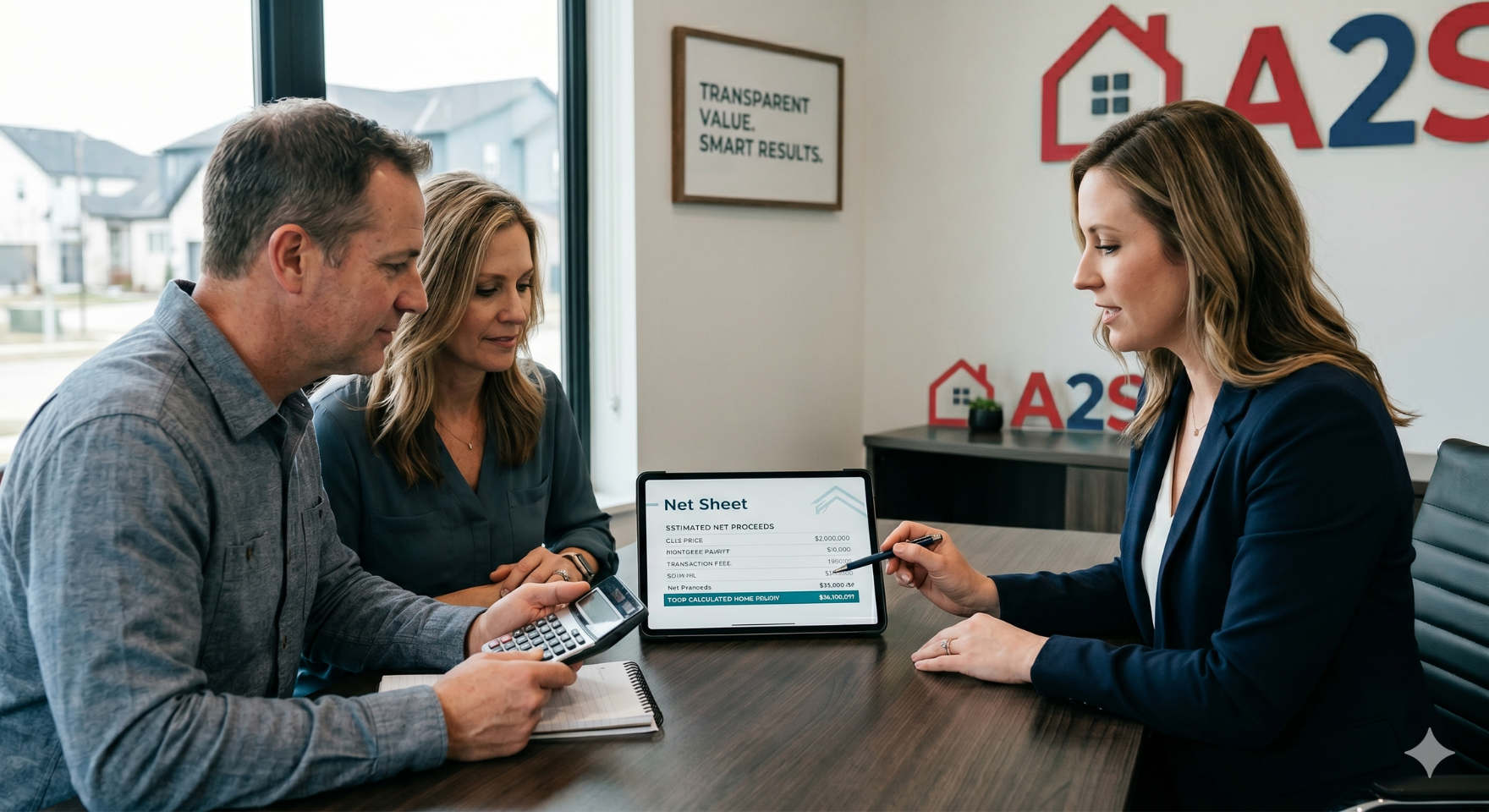
Franchising fits this moment because it offers structure without eliminating local leadership. A franchise owner still has to serve the market, manage standards, build relationships, recruit carefully, and lead the business. But the owner is not starting from a blank page. The model can provide a clearer brand premise, operating direction, training framework, marketing approach, and consumer-facing story.
That distinction matters as franchising itself continues to show durability. The 2026 Franchising Economic Outlook, produced by FRANdata in partnership with the International Franchise Association, projects total U.S. franchise establishments to reach about 845,000 units in 2026, supporting nearly 8.9 million jobs and more than $921 billion in output. The same report projects real estate franchise establishments to exceed 28,000 units, with real estate franchise output reaching $11.8 billion.
Those figures do not mean every franchise concept is right for every agent. They do show that franchising remains a serious ownership path across the economy, including real estate. The appeal is not only brand recognition. It is the ability to build with a defined model while still owning the local execution.
That is where Assist2Sell becomes relevant for agents who see the market changing.
Assist2Sell gives an entrepreneurial real estate professional a way to build around a value story consumers can understand: full-service real estate help with a savings advantage. The model is not based on the idea that sellers should accept less guidance. In a more complex market, many sellers need more clarity, not less. They need pricing advice, marketing exposure, transaction management, negotiation support, communication, and a plan for the financial side of the move.
The difference is that Assist2Sell gives the owner a natural way to talk about service and cost in the same conversation.
That matters because AI alone does not answer the seller’s real question. A chatbot can reply quickly. A pricing tool can support analysis. A marketing platform can help create materials. But a homeowner still wants to know: What is included? What is the plan? How will this affect my net? Why should I choose this company over the alternatives?
An owner operating under a clear value-based model can answer those questions more directly. The conversation does not have to avoid fees or pretend consumers are not comparing. It can acknowledge that real estate fees are negotiable, that services and fees may vary by local office, and that homeowners should compare both service and value before deciding.
For a licensed agent considering ownership, that can be an important strategic difference. Starting an independent brokerage can offer freedom, but it also requires the owner to invent the position, the message, the service explanation, the training path, and the marketing language from scratch. That work can be done, but it is work. A franchise model can help compress the distance between “I want to own” and “I can explain why this company should exist.”
The next phase of real estate will likely reward agents who are both more efficient and more understandable. Technology may help owners operate faster, but it will not replace the need for a clear reason to be chosen. Transparency may make conversations more demanding, but it can also reward professionals who are comfortable discussing service, cost, and value plainly.
Assist2Sell sits at that intersection. It gives entrepreneurial agents a way to build locally with a differentiated consumer promise, while still leading with the professional guidance sellers expect. In a market where consumers have more tools, more questions, and more reasons to compare, the owner with the clearest model may have the strongest opening.